English| EUR
Suggested for you
More currencies
Choose a language
Wave Break Island sits at the northern edge of the Gold Coast Broadwater, sheltering a man-made reef system that draws loggerhead and green sea turtles year-round. The island is accessible only by private vessel or commercial tour, with no public ferry service. This guide covers how to reach the site, what conditions favor visibility, and what marine life you're likely to encounter.
Quick answer
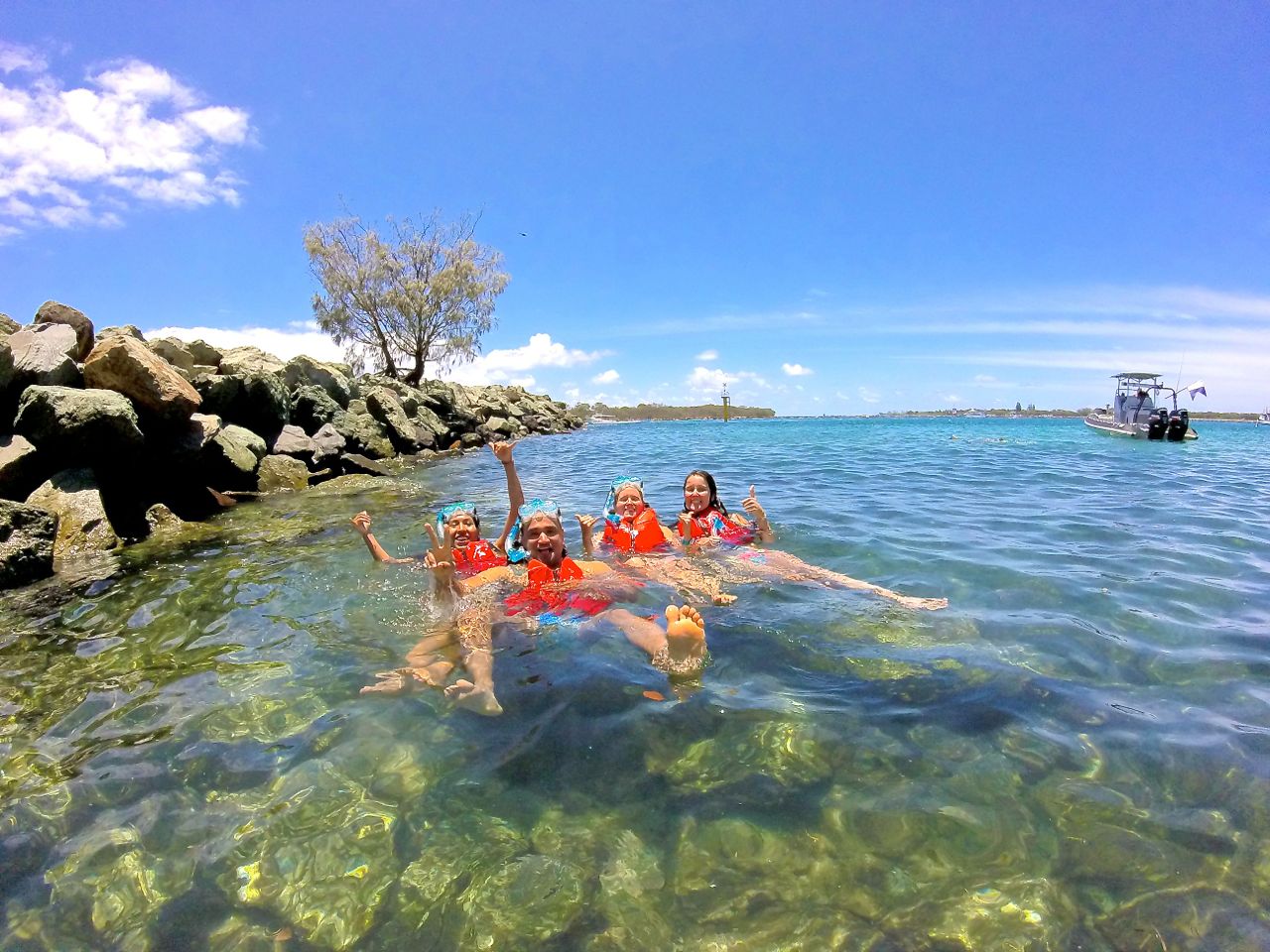
Wave break island snorkeling is available daily with free entry, accessible exclusively by private boat or commercial tour departing from Main Beach or Southport marinas. The site operates without formal opening hours—water access is unrestricted around the clock—but morning departures between 08:00 and 14:00 align with optimal tide cycles and clarity. No permits or entrance fees apply; visitors need only their own snorkel gear or rental equipment arranged through tour operators.
The artificial reef surrounding Wave Break Island was constructed in phases between 1986 and 2003, using quarried granite boulders to stabilize the northern breakwater of the Gold Coast Seaway. What began as an engineering intervention evolved into one of Southeast Queensland's most biodiverse shallow-water habitats, now colonized by hard corals, sponges, and over sixty recorded fish species. Snorkeling the wave break requires navigating the Broadwater's tidal flow and boat traffic lanes. The site lies approximately two kilometers offshore from Main Beach, with no land-based access point. Private boaters launch from Southport or Runaway Bay ramps, while commercial operators depart from marina berths along Marine Parade. Charter vessels handle navigation through the seaway's marked channels, allowing participants to focus on underwater observation rather than seamanship. Visibility at the reef fluctuates with tide phase and wind direction. Incoming tides push clearer ocean water across the granite boulders, often delivering three to six meters of horizontal visibility during calm conditions. Outgoing tides draw turbid water from the Broadwater's western shallows, reducing clarity to one or two meters. Weather patterns matter: sustained southeasterly winds churn sediment and degrade conditions for days afterward, while light northerlies or offshore breezes settle the water column within hours. Marine life density peaks near the submerged boulder fields on the island's eastern flank, where the substrate drops from two meters to five meters depth over a short horizontal distance. Resident green turtles forage on algae-covered rocks throughout the day, typically indifferent to snorkelers maintaining a respectful distance. Wobbegong sharks rest in crevices between boulders, their camouflaged bodies nearly invisible until they shift position. Schools of yellowtail scad and trevally circle the deeper sections, while smaller wrasse and damselfish occupy the shallower reef crest. Seasonal visitors include manta rays in summer months and migrating humpback whales visible from the surface between June and October.
“The artificial reef surrounding Wave Break Island now supports over sixty recorded fish species and serves as critical foraging habitat for resident sea turtles.”
The best window to visit Wave Break Island for snorkeling is between 08:00 and 14:00, when morning high tides bring optimal water clarity. Planning your entry during these hours ensures the cleanest ocean water enters the Broadwater.
Warm and humid, 21°C to 29°C
Warm water makes snorkeling comfortable, but afternoon storms can disrupt visibility. Morning trips are best to avoid the daily rain patterns.
Mild days, 15°C to 28°C
Water temperatures remain comfortable for swimming while rainfall drops. This period offers stable conditions and consistent underwater visibility.
Sunny, cool days, 11°C to 22°C
This season brings the lowest rainfall of the year and very clear water. Snorkelers should wear a light wetsuit to stay warm in the cooler temperatures.
—
Arriving early on a weekday aligns with low crowds and often catches the cleanest tide of the day. Visibility is generally superior compared to busy weekend afternoons.
Verdict: Aim for a weekday morning between 08:00 and 14:00 in April or May to secure the clearest water, comfortable temperatures, and fewest crowds.
Wave Break Island is located in the Gold Coast Broadwater at Main Beach QLD 4217, Australia, and can only be reached by water. The easiest approach is by launching a vessel from the mainland or booking a guided commercial tour that departs from nearby marinas.
Private vessel or commercial charter from Mariner's Cove Marina to Wave Break Island
Kayak paddle from Marine Parade in Biggera Waters to Wave Break Island
Translink Route 705 from Surfers Paradise to Sea World station
G:link Tram from Cavill Avenue station to Main Beach station
To save travel time, launch light watercraft like kayaks from the public beach along Marine Parade in Biggera Waters, which offers free street parking. Boat owners with larger vessels should use the public boat ramps at Southport or Main Beach to access the Broadwater directly.
Access to Wave Break Island is free of charge, with no official entrance fees or ticketing systems managed by the Gold Coast Waterways Authority. Visitors only need to consider the separate costs associated with private boat hire or booking a commercial snorkeling tour.
Verdict: A typical visitor pays 0 AUD for entry, with the only variable cost being their chosen method of water transport to the island.
Wave Break Island is open to the public 24 hours a day, seven days a week, allowing constant access to its surrounding waterways.
Wave Break Island sits within a protected marine park where sea turtles, rays, and reef fish thrive. Responsible snorkeling protects both wildlife and the fragile ecosystem that draws visitors here.
Everything you need to know about wave break island snorkeling
Access to the island is only available by water, typically via private vessel or commercial operator. Many visitors choose to kayak or join a guided boat tour departing from the nearby mainland.
Yes, the area features calm, sheltered waters protected from ocean swells, making it a perfect environment for introductory diving and snorkeling. It is a popular spot for families and first-time swimmers to enjoy safe marine exploration.
The best arrival window is 08:00–14:00, as optimal water clarity and visibility often coincide with morning high tides. Planning your visit around these times ensures the best experience for spotting local marine life.
There is 0 AUD entrance fee for the island itself, as it is a public recreational area. You only need to account for the cost of your chosen transport or professional tour service.
Yes, various commercial operators offer guided tours that include equipment, boat transfers, and local expertise. Booking a tour is often the most convenient way to enjoy a guided gold coast turtle snorkel or fish-spotting trip.
Pack essentials like sun protection, swimwear, a towel, and plenty of water for your excursion. If you are not booking a guided experience that provides gear, remember to bring your own mask, snorkel, and fins.
Snorkel Gold Coast Turtle Tour
Read more Tickets & toursDiving with Turtles Gold Coast
Read more Tickets & toursSwimming with Turtles Gold Coast Packages
Read more Tickets & toursSwim with Turtles and Whales Gold Coast
Read more Tickets & toursGold Coast Swim with Turtles
Read more