3 hr
Gold Coast Turtle Snorkeling Adventure
Swim alongside wild sea turtles in a protected marine reserve, with guided snorkeling and wildlife spotting
Reserve
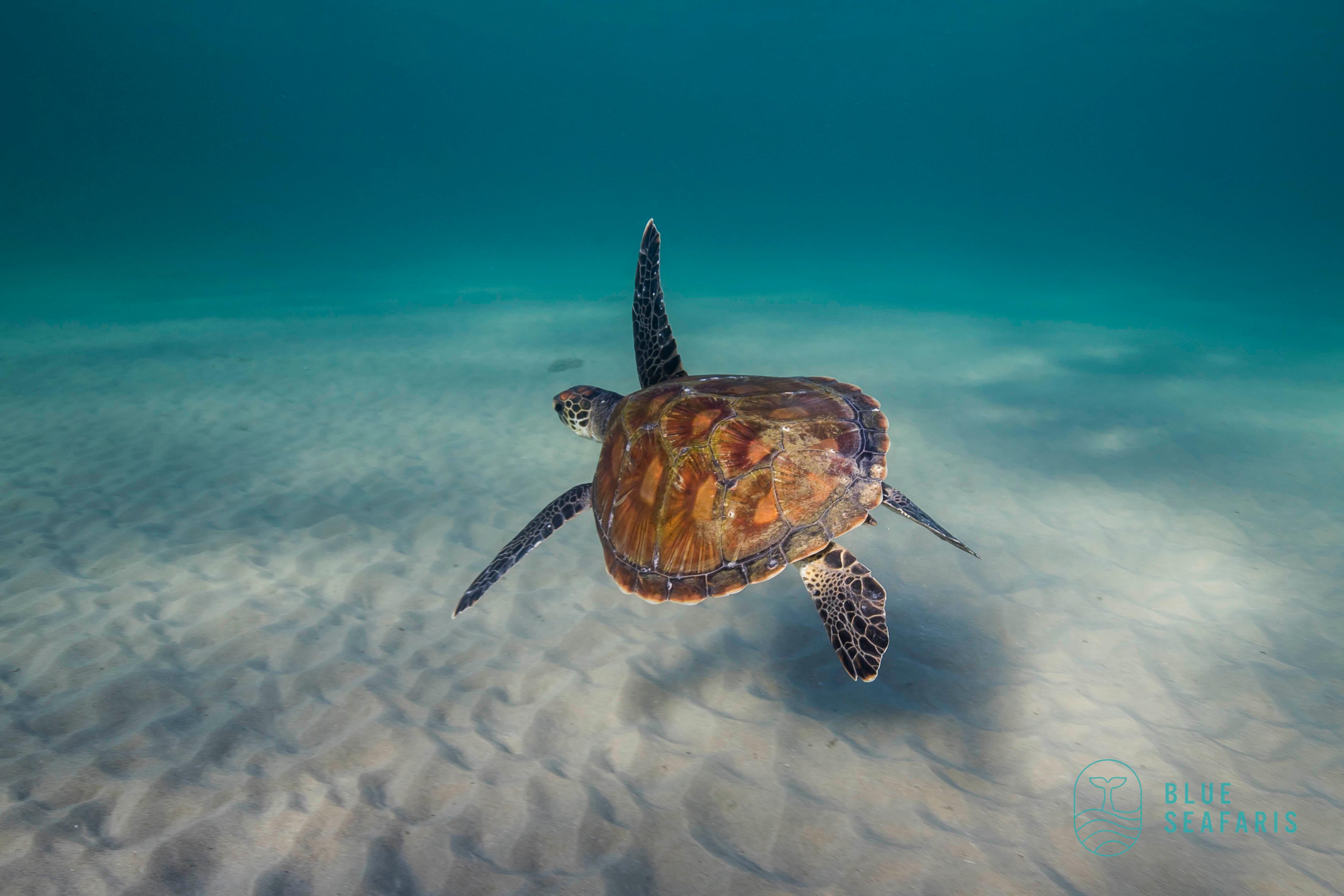
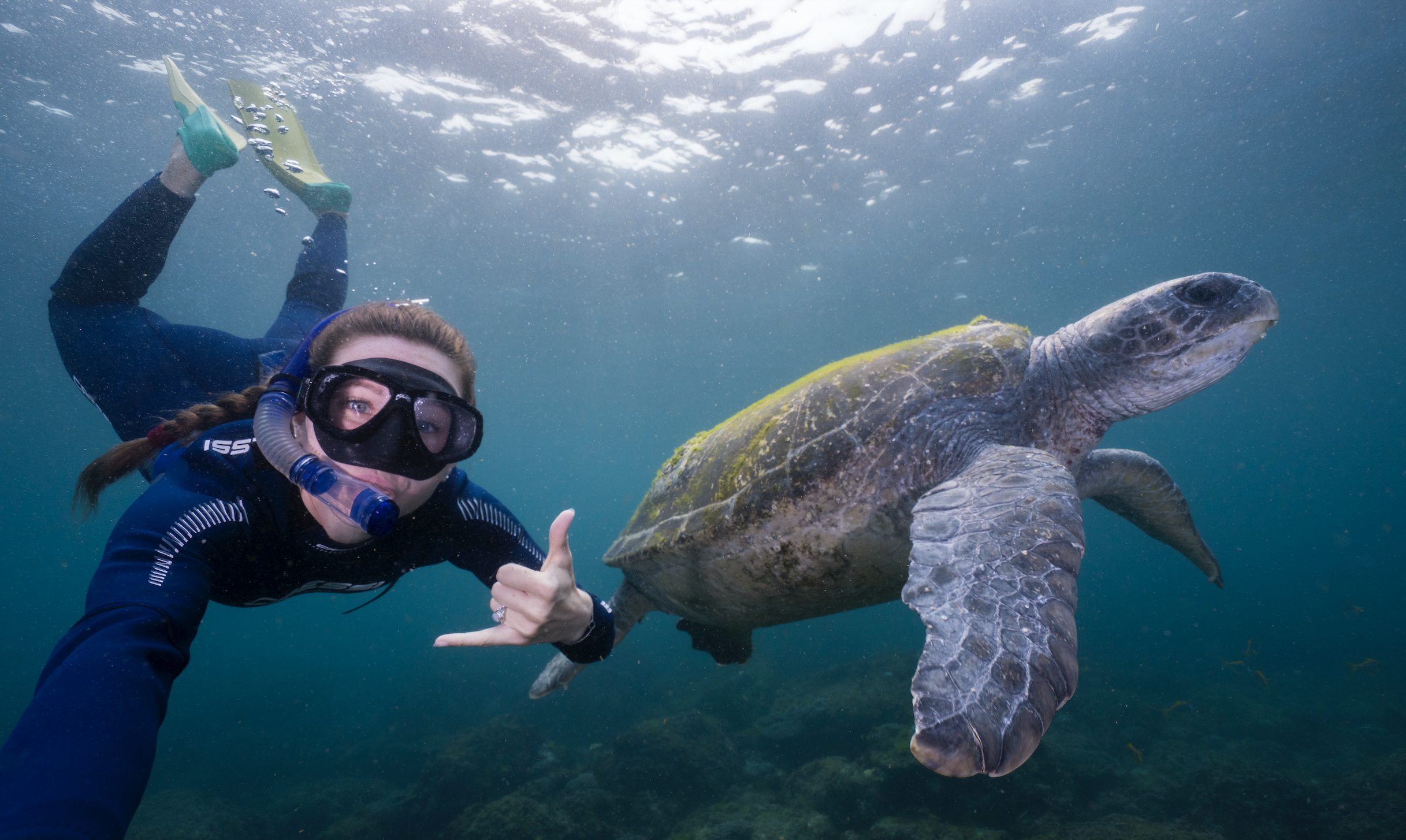
Snorkel beside green sea turtles in protected waters, no crowds
Hand-picked by our editors — only the best 5 experiences from 12 reviewed.
Verified partners for every tour, free cancellation where available, and instant confirmation on every booking.
3 hr
Swim alongside wild sea turtles in a protected marine reserve, with guided snorkeling and wildlife spotting
Reserve
2 hr 30 min
Explore pristine shallow reefs with a marine biologist and swim alongside green turtles, rays, and leopard sharks
Reserve
2 hr 30 min
Swim with wild sea turtles in a protected marine reserve just off the Gold Coast
ReservePrices from verified partners. Availability updates in real time at checkout. Free cancellation policies apply where shown.
The landmarks, rooms, and views travelers on this tour remember — all visible on a single visit.
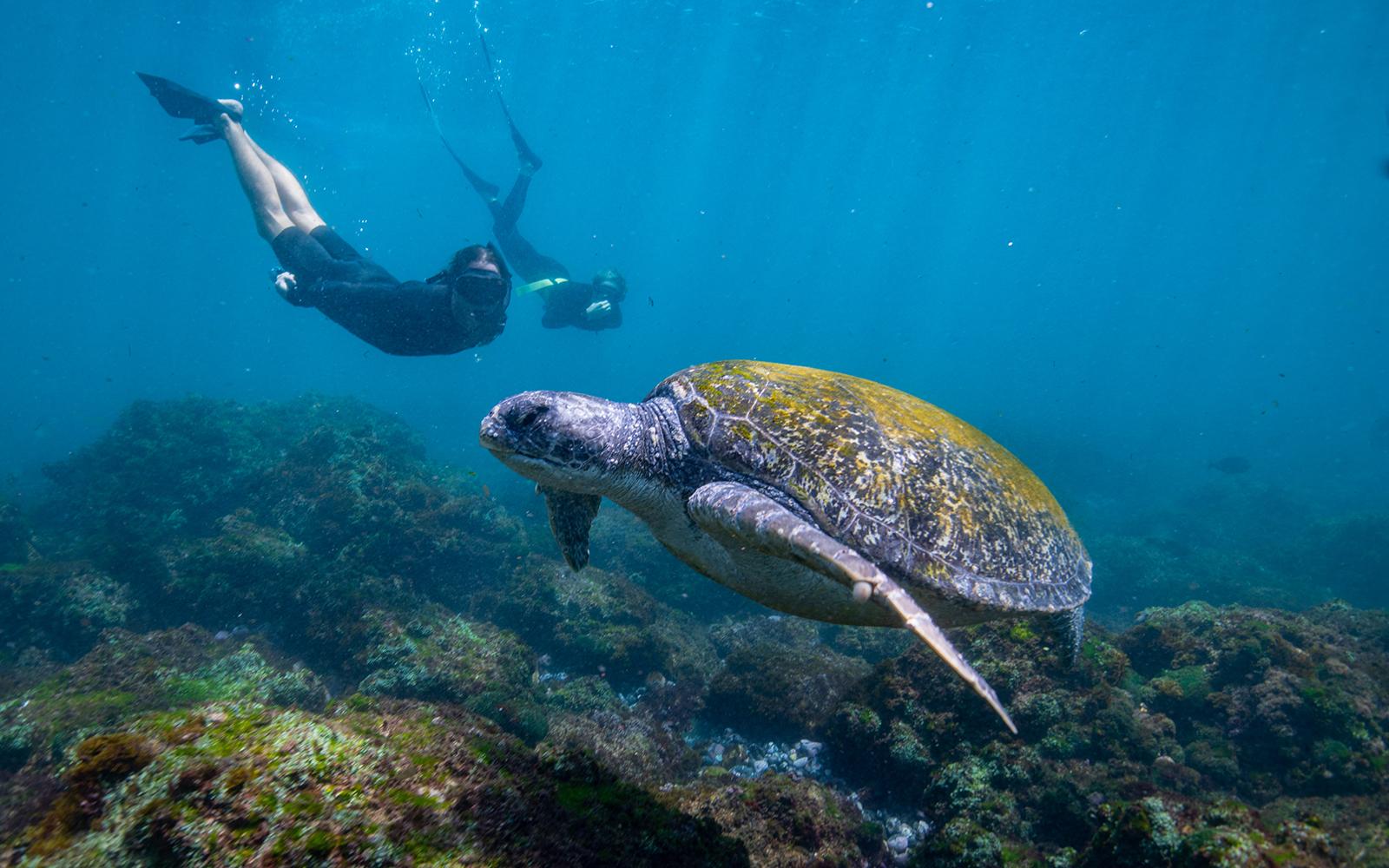
Observe these gentle reptiles in their primary foraging ground, famously known as the site's main attraction.
Cook Island offers a raw, open-ocean encounter for those seeking deeper marine immersion, while Wave Break Island provides a calm, shallow-water alternative suitable for casual snorkeling. They complement each other; most visitors who do both call Cook Island the more thrilling encounter with wildlife.
| Feature | Top pick Cook Island | Wave Break Island |
|---|---|---|
Environment type |
Open ocean reef | Sheltered inner channel |
Marine biodiversity focus |
Green sea turtles | Diverse tropical fish |
Travel time from mainland |
20–30 minutes | 10–15 minutes |
Typical water conditions |
Surge and currents | Calm and flat |
Ease of access for beginners |
Moderate; requires comfort | High; beginner friendly |
| See tickets → |
Verdict: Choose Cook Island for gold coast swim with turtles tours if you are a strong swimmer, or opt for Wave Break Island if you are securing gold coast swim with turtles tickets for a relaxed family outing involving shallow snorkeling.
Choose your ticket, select your date, and reserve in under two minutes. Secure checkout handled by our verified partner.
Instant confirmation by email, with a mobile voucher you can save offline. No printing, no queuing at a collection desk.
Arrive at the entrance, show your voucher on your phone, and walk in. Most tickets include priority or skip-the-line access.
Best time to go, insider tips, nearby landmarks, and the cancellation fine print — flip through to skim what matters to you.
Flexible, no hidden fees.
Operators typically require a minimum of 48 hours' notice for cancellations to receive a full refund. Cancellations made within the 48-hour window are subject to full charges.
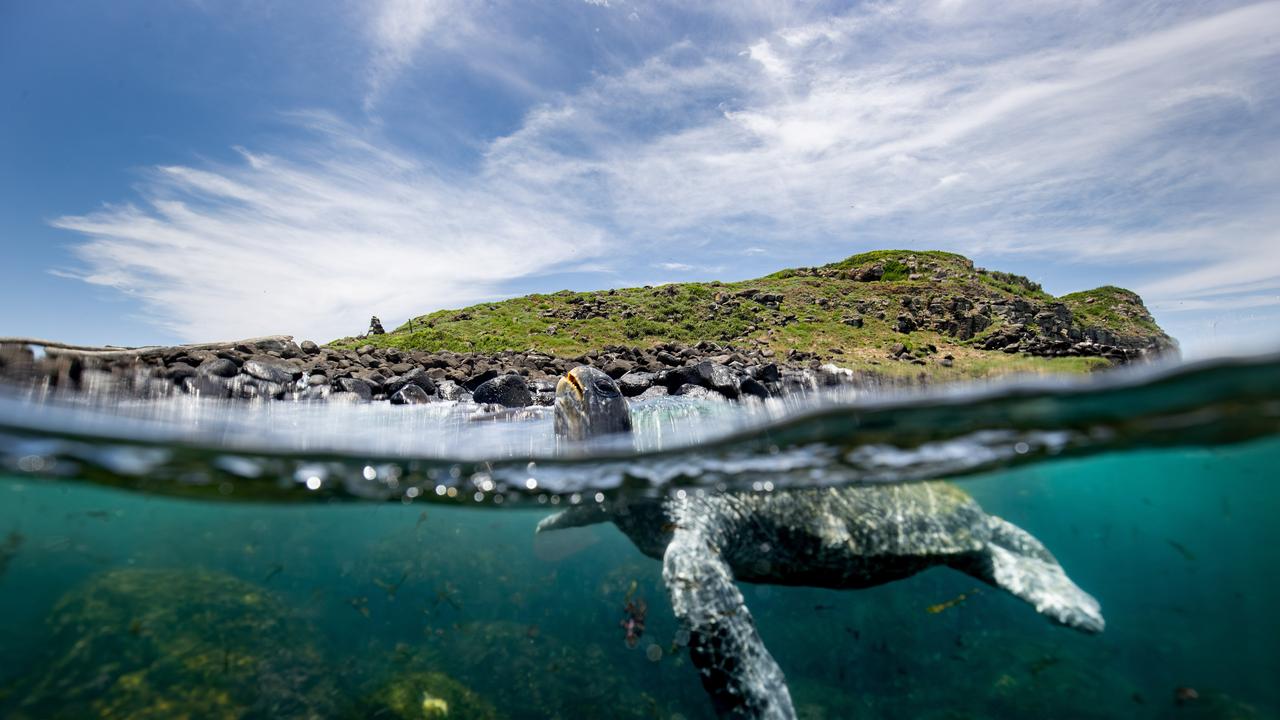
Cook Island Aquatic Reserve lies 500 metres off Fingal Head, a submerged volcanic outcrop whose basalt ledges and kelp forests shelter one of New South Wales' densest populations of green sea turtles. Gazetted in 1998, the 120-hectare reserve prohibits fishing and anchoring, creating conditions that draw juvenile and sub-adult turtles year-round to forage on algae beds that colonise the island's south and eastern flanks. Visibility regularly exceeds 15 metres during morning hours, when slack tide allows divers to hover above turtles grazing on sea lettuce without disturbing the animals' feeding rhythm. The reserve's appeal extends beyond its flagship species. Wobbegong sharks rest in crevices along the island's northern wall, their cryptic patterns blending with encrusting sponges and ascidians that coat every vertical surface. Schools of yellowtail scad and silver trevally move through the mid-water column, while eastern blue gropers — some exceeding a metre in length — patrol the rocky perimeter. The substrate itself tells a geological story: hexagonal basalt columns, remnants of a Miocene lava flow, form natural amphitheatres where fish aggregate and currents slow. Access to Cook Island is exclusively by boat, a regulatory measure that limits daily visitor numbers and preserves the site's ecological integrity. Tour operators depart from Fingal Head and Tweed Heads, navigating the short crossing in under ten minutes. Most trips anchor on the island's sheltered western side, where depths range from three to eight metres and surge is minimal even when easterly swells sweep the outer reef. Gold coast swim with turtles experiences centre on passive observation rather than pursuit. Green sea turtles, though habituated to human presence, remain wild animals; guides enforce a three-metre exclusion zone and prohibit touching or chasing. The reserve's protection status means every organism — from the turtles themselves to the encrusting bryozoans on submerged boulders — exists without harvest pressure, a rarity along developed coastlines. Snorkelers equipped with mask, fins, and wetsuit can drift above the reef for 45 minutes to an hour, the length of a typical tour determined by tide windows and sea state rather than arbitrary scheduling. Seasonal variation affects turtle density, with warmer months from October through April seeing the highest concentrations as animals move inshore to exploit abundant food sources. Water temperature during these months hovers between 22 and 26 degrees Celsius, comfortable for extended immersion without thermal protection. Winter months still offer reliable sightings, though reduced visibility and cooler water — occasionally dropping to 18 degrees — demand thicker wetsuits and tempered expectations.
"Visibility regularly exceeds 15 metres during morning hours, when slack tide allows divers to hover above turtles grazing on sea lettuce without disturbing the animals' feeding rhythm."
It is not wheelchair accessible and requires the ability to swim in open water, which is a key part of the gold coast swim with turtles experience.
The reserve is accessible only via boat tour, making independent transport difficult and restricted by sanctuary regulations.
The area is famous for green sea turtles, rays, leopard sharks, and a vibrant variety of subtropical fish.
Basic swimming ability is required as you will be snorkeling in open water, not hard swimming.